



Mites in horses: how to spot them in autumn and winter
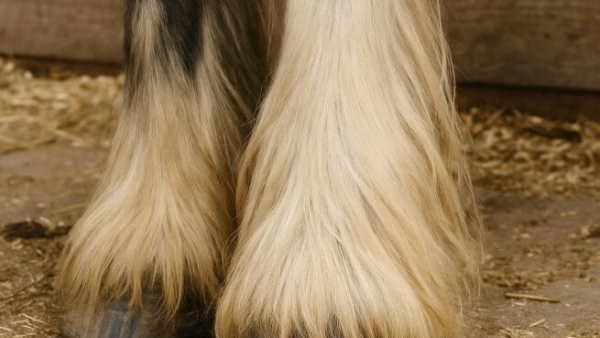
Mites in horses: recognising and understanding them
Mites in horses: recognising and understanding them. Many horses suffer from itching, flaking or small scabs during the colder months — particularly on their legs. Horses with a lot of feathering, such as Tinkers, Friesians, Shires and other cold-blooded breeds, seem to be particularly susceptible. One of the causes often cited is mites. But how do you recognise this? And how do you know if it really is mites, or something else that looks similar?
In this blog, you can read about how to observe your horse more closely, which signs may indicate a susceptibility to mites, and why some horses are more prone to them than others.
Why do mites mainly appear in autumn and winter?
Mites thrive in warm, damp conditions and long hair. In winter:
the socks and wallpaper are getting even fuller
the skin tends to stay damp more often due to rain and mud
socks take longer to dry
the skin gets less air
For parasites, this is the ideal place to hide. That is why you’ll notice that horses prone to mites tend to rub, stamp or bite more during this time of year.
How can you tell if your horse might be susceptible to mites?
Not every horse with flaky skin or itching has mites — which is why it’s important to look and feel carefully. These are signs that many owners recognise:
✔ 1. Stomping or scraping with the hind legs
Especially when your horse is standing still, being groomed or being fed.
✔ 2. Flakes in your socks or under the wallpaper
Sometimes you only notice them when you run your fingers through your hair.
✔ 3. Small scabs low down on the leg
This can start at the fat pad or along the metacarpophalangeal joint.
✔ 4. Restless or sensitive legs
Your horse pulls its leg away or reacts more quickly than usual.
✔ 5. Biting the pastern or along the cannon bone
Especially on muddy days or after a spell of wet weather.
Important: none of these signs proves that it is a mite.
Horses can also react sensitively due to mud fever, dry skin, stress, diet or simply thick socks that do not allow air to pass through.
Why are horses with a lot of hair more sensitive?
The beautiful, thick coat for which many breeds are known consists of:
moisture retained
heat retention
dirt between the hairs
and doesn’t let much air through
As a result, the skin can become irritated more easily. Even without parasites.
This is why Tinkers, Friesians, Shires, Clydesdales and Fjords are more prone to flaking, itching or scabs on their legs.
What can you do yourself if you suspect you have mites?
It can be difficult to make a clear diagnosis, but you can:
✔ Feel and check your socks regularly
Even if you can’t see anything on the outside, there could be all sorts of things hidden beneath the wallpaper.
✔ Keep your skin clean and dry
Especially after a wet day or a muddy paddock.
✔ Keep an eye out for changes
Stomping, rubbing or scabs that suddenly appear deserve attention.
✔ Support the immune system and the skin
Many horses react more calmly when their skin is strengthened from within.
What about you?
Do you also have a horse that suffers from itchy or flaky legs, particularly in winter?
Do you mainly notice rubbing, biting or flaking, or does your horse seem restless in its legs?
Please feel free to share your experience — other horse owners often recognise this straight away.