



Care advice for horses prone to mites
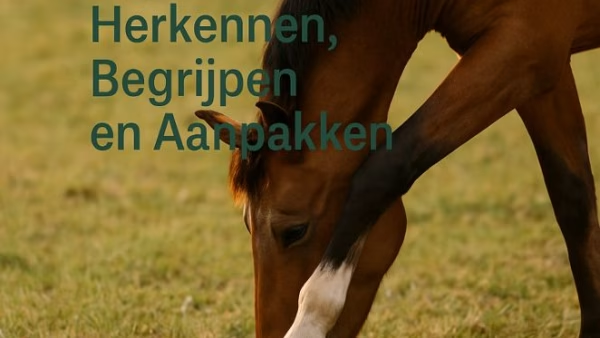
Recognising, Understanding and Addressing
Horses prone to mites can experience quite a lot of discomfort. Stamping, rubbing or small scabs in the pasterns are often the first signs that something is wrong. As a horse owner, you’d rather see your horse relaxed than constantly scratching its legs. Fortunately, there’s plenty you can do yourself — in a natural and horse-friendly way.
In this blog, you’ll find out how to recognise mite sensitivity early on, gain a better understanding of its causes, and tackle the problem step by step, so that your horse’s skin can return to a healthy state.
What exactly are mites?
Mites are tiny parasites that like to nestle in the coat and on the skin of horses, particularly in warm and damp areas such as the pasterns or under socks. They feed on skin flakes and cause irritation. Breeds with thick socks, such as Tinkers, Friesians and Shires, are particularly susceptible, but horses without socks can also be affected.
Mites themselves are not always visible to the naked eye. Often, you only notice something is wrong when your horse starts stamping its feet or when you spot small scabs or flakes whilst grooming it.
Identifying susceptibility to mites
The sooner you recognise the signs, the better you can take action. Look out for the following symptoms:
🐴 Stamping or sanding with its hind legs
🐴 Scabs or sores in the bone cavities
🐴 Thickened skin or slight swelling
🐴 Itchy reactions when the legs touch
🐴 Restless behaviour whilst grooming or caring for their legs
Some horses show only slight irritation, whilst others display clear signs of discomfort. It is important to observe them closely and learn what is normal for your horse.
Why some horses are more sensitive
The cause of susceptibility to mites varies from horse to horse. Often, several factors are involved:
🌿 Thick socks or a coat – this provides warmth and moisture, which is ideal for mites.
🌿 Reduced resistance – a weakened immune system makes the skin more susceptible.
🌿 Nutrition – Deficiencies in certain nutrients or an excess of sugars can affect the condition of the skin.
🌿 Surroundings – damp stables or wet pastures increase the risk of skin irritation.
By recognising these factors, you can set to work in a targeted manner on both the external care if the support from within.
A natural approach for horses prone to mites
Supporting the skin starts with a balanced combination of personal care, hygiene and nutrition.
1️⃣ Cleaning and caring for the legs
Use a mild, natural shampoo that removes dirt and dandruff without drying out the skin. After washing, it is important to dry the legs thoroughly — especially in the creases of the hock.
A nourishing oil or balm containing natural ingredients such as neem oil, calendula or tea tree oil helps keep the skin supple and supports its ability to repair itself.
Tip: Avoid harsh cleansers or products containing alcohol — these can actually make your skin more sensitive.
2️⃣ Supporting from within
The skin reflects what is happening inside.
A horse with a strong immune system, healthy gut flora and properly functioning excretory organs is less prone to skin problems.
A spice mix Containing, for example, stinging nettle, cleavers and marigold, it supports the natural elimination of waste products and helps to purify the skin from within. Herbs such as devil’s claw can help maintain supple movement, which is particularly beneficial for horses that stamp their feet a lot or suffer from irritation.Healthy skin starts from within – give your horse time to regain its balance.
3️⃣ The surroundings
Keep the stable and paddock as dry and clean as possible. Mucking out regularly, keeping the legs dry after washing, and avoiding prolonged contact with wet ground can make a big difference.
For horses with socks, it is a good idea to trim them carefully from time to time, so that air can reach the skin more easily.
Common mistakes regarding susceptibility to mites
🚫 Changing products too quickly – your skin needs time to recover.
🚫 Focusing solely on the outside – without supporting the inside.
🚫 Washing or shaving with water that’s too hot – this can actually throw the skin further out of balance.
It’s better to opt for a gentle, natural approach that helps the skin to heal rather than suppressing it.
How long does it take before you start to see an improvement?
The time it takes for the skin to settle varies from horse to horse.
Some horses respond within a few weeks, whilst others need more time.
It is important that you remain consistent in your care, stick to a suitable feeding schedule and continue to observe your pet closely.
Building healthy skin is a process — but with patience, love and the right support, your horse will regain its balance.
Practical care advice
💚 Check your horse’s legs regularly, especially if it’s a breed prone to socks.
💚 Use natural products that support the skin rather than blocking it.
💚 Combine external care with internal support.
💚 Give your skin time — recovery happens in stages, not overnight.
💚 Paardenkriebels.nl – natural skincare for horses
At Paardenkriebels.nl, you’ll find complete grooming kits and herbal blends specially formulated for horses with sensitive skin, such as:
- Care package for horses prone to mites Go to Product
- MT Spice Mix Go to product
- Green-XL care kit for horses prone to mites Go to product
👉 See all the natural solutions at Paardenkriebels.co.uk
Or send us a message for some no-obligation advice — together, we’ll make sure your horse feels comfortable in its own skin again.