



How can you tell if your horse isn’t feeling well? Your horse tells you more than you realise
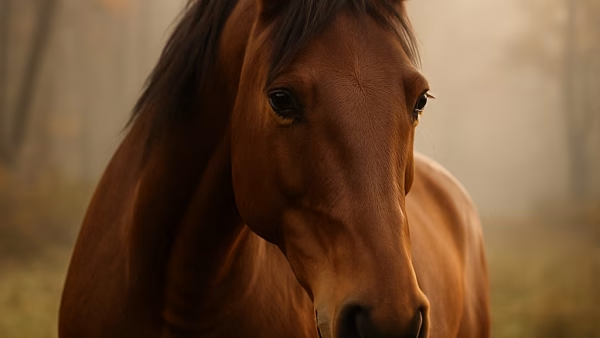
Horses communicate throughout the day using subtle signals. These are often much more subtle than we humans initially realise. Nevertheless, a horse always indicates when it is feeling unwell, either physically or mentally — both through its behaviour and its body language.
As a homeowner, you can spot a great many things by taking a good look at watch, feel and listen. In this blog, you can read about the signs horses show when they’re not feeling their best, especially when they be sensitive to skin, socks or fur.
1. Changes in behaviour: the first sign
When a horse isn’t feeling quite right, you can often tell from its behaviour:
-
More reserved or less cheerful
-
Unrest in the herd
-
Scratching, rubbing or stamping
-
Less motivation to exercise
-
Reacting differently to touch
This does not necessarily indicate a medical condition, but it It does mean, though, that something in the body is calling for attention — for example, due to sensitivity in the legs, skin or coat.
2. Body language that speaks volumes
Horses communicate mainly through non-verbal means. Please note:
Ears pulled back slightly when being groomed or touched
Tight nostrils or jaw muscles
A tail that swishes more often
Lifting or pulling legs away during care
Trembling or tensing of muscles
In horses prone to mud fever, mites or rasp-sensitive legs, you may sometimes notice that being touched becomes more uncomfortable for them. This is a sign that you should be extra gentle when grooming them and keep a close eye on them.
3. Changes to the skin and coat
A horse can convey a great deal through its skin:
-
Dull coat
-
Excessive flaking
-
Rubbing against posts or walls
-
Red, sensitive patches
-
More itchy than usual
Many horses have sensitive areas of skin in autumn, winter and during wet spells — particularly on their legs. At such times, gentle and consistent care of their socks, skin and coat can be particularly important.
(Note: We do not make any medical claims here. (We will only mention observations and care.)
4. Your horse trusts your energy
Horses have an unerring sense of how you’re feeling. When you’re restless or uncertain, your horse may react by becoming tense or withdrawing.
When you are calm and clear, you’ll see that horses:
Relax more quickly
Let them know earlier what they like
Show more confidence
So your horse not only shows how it is feeling, but also reacts to how you are feeling.
The most important thing is:
✔️ Observe daily
Small changes quickly become apparent if you take a moment to look closely every day.
✔️ Keep a close eye on the skin
Gentle care helps many horses that are sensitive to wet weather or fluctuating temperatures.
✔️ Bear in mind the time of year
In autumn, winter and during wet spells, horses are more likely to show signs of discomfort in their legs and on their skin.
✔️ Provide support from within when necessary
Herbs can help the body maintain its balance, particularly during moulting, seasonal changes or times of sensitivity — without making any medical claims.
6. When should you be particularly careful?
Horses with sensitive legs, hooves or skin are more likely to show signs of discomfort. Pay particular attention when you:
See more pitting or scuffing
If you notice scabs, wet patches or flaking
Noticing a change whilst cleaning
Feeling uneasy or uncomfortable when moving
The sooner you spot subtle signs, the better you can support your horse through gentle care.
Conclusion
Horses are constantly communicating — just without words. By paying close attention to their behaviour, skin, energy and body language, you can quickly tell when your horse isn’t feeling quite right.
And the best thing is:
A horse often feels understood very quickly when you take the time to listen.