



Mud fever in horses: how to recognise it and care for sensitive skin
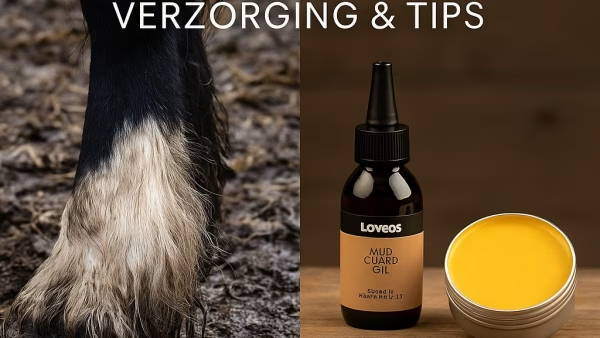
Mud fever in horses is a common skin problem, particularly in autumn and winter when the ground is wet and muddy.
Horses with white legs or lots of white markings, such as Tinkers, Friesians and Shires, are often particularly prone to mud fever and thrush.
It may look unsightly and cause discomfort, but with the right care, there’s a lot you can do to keep your skin healthy and supple.
In this blog, you’ll find out exactly what mud fever is, how to recognise it, and get tips on how to care for legs prone to mud fever and scabs.
What exactly is a mug?
Mok is a collective term for skin irritations in the pastern area of a horse.
It often occurs during wet spells when the skin remains damp for long periods due to rain and mud.
Factors contributing to mottling or streaking:
-
Legs that have been wet and dirty for a long time
-
Muddy paddocks or meadows
-
Sensitive skin (e.g. pale legs)
-
Reduced resistance
-
Lots of wallpaper or socks, where moisture and dirt can easily get trapped
Mok is not a disease in itself, but a sign that the skin extra care needs.
If the affected areas are severe or are getting worse quickly, it is always advisable to consult a vet.
Recognising mould and mildew
Common signs in horses prone to mud fever or thrush are:
Redness and irritation in the shin cavity
Scabs or flakes
Bald patches
The horse pulls its leg away when touched
In some cases, swelling or tenderness
The sooner you notice this, the sooner you can start using gentle skincare products and providing better protection against moisture.
Care for legs prone to varicose veins
The most important thing about a mug is drought and hygiene:
-
Gently rinse the mud off with lukewarm water and pat the legs dry thoroughly dry.
-
Make sure the stable and paddock remain as dry as possible.
-
Brush the socks and wallpaper regularly to remove dirt.
-
Use a gentle, nourishing oil or balm to keep the skin supple and protect it from moisture.
💡 Extra tip: For horses with a lot of mud flaps, it can help to wash them regularly with a gentle shampoo and then dry them thoroughly.
Support from within
As well as external care, it can be worthwhile to consider your horse’s overall resilience and skin condition.
A balanced diet, possibly supplemented with herbs that support the skin and the immune system, can help to maintain a strong, healthy skin barrier.
At Paardenkriebels, you’ll find only individually packaged herbs.
The customer mixes this themselves, so you always know exactly what your horse is getting.
Prevention is better than cure
Preventing muzzle rot is often easier than treating the skin.
Keep your legs clean and dry.
Avoid spending long periods in muddy paddocks.
Check your skin regularly, especially during wet seasons.
Start providing extra care early on if you know your horse is sensitive.
Mould and scabs can be persistent, but with early detection and the right care, you can prevent a great deal of discomfort for your horse.
Would you like to know which natural products are suitable for your horse?
📲 Feel free to get in touch via WhatsApp with no obligation, or browse our range at Paardenkriebels.nl